Showing posts with label Flight. Show all posts

Monday, February 18, 2013

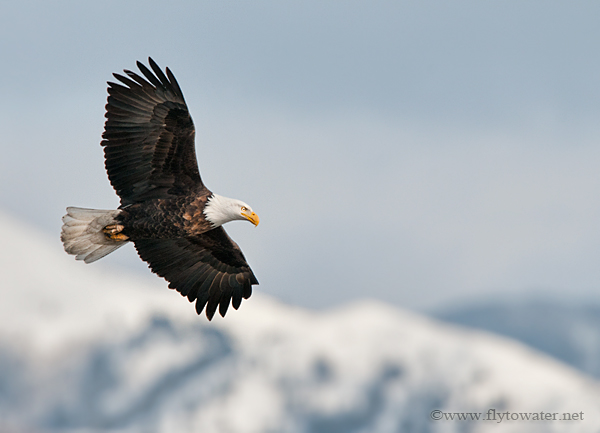
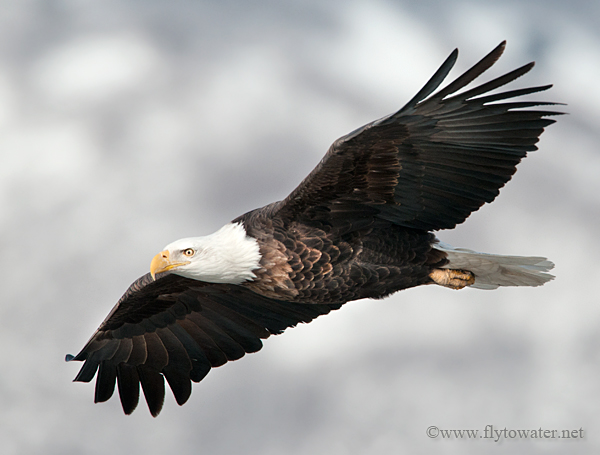
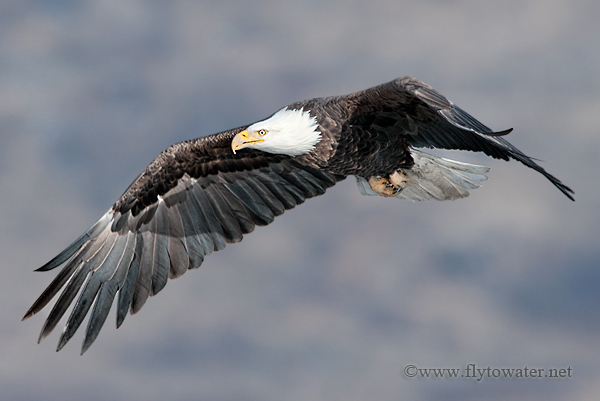
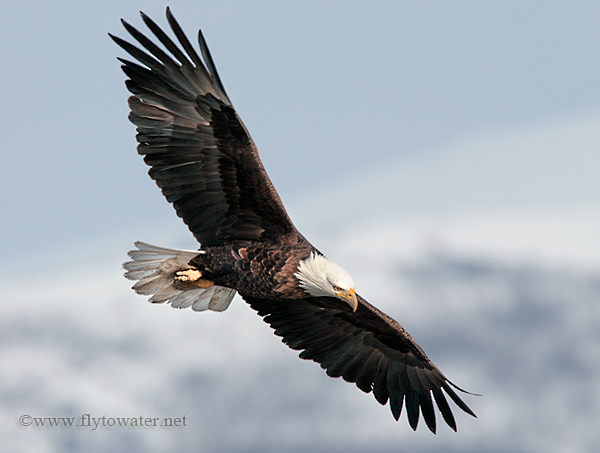
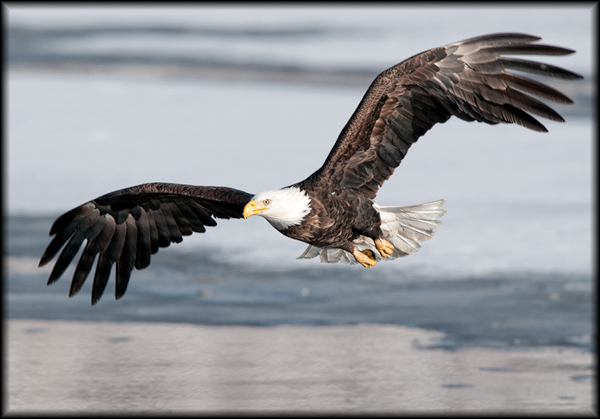
Whiteheaded Largebird

Have you ever been so cold that your reproductive regions could be preserved for cryogenic science with no additional cooling required?  One of the great things about wildlife photography is the way in which you can experience abject misery for extended periods of time.

Take this weekend, for example: I stood within 40 yards of a whole convocation of bald eagles for an interval so extensive that whole life cycles of insects were taking place around me. Eggs were laid. Larvae hatched. Eventually these were able to successfully pupate and emerge as sexually mature adults. Temperatures were well below freezing. During this veritable epoch, a vast expanse of fog settled upon the wetlands obliterating all hope of anything resembling a successful photograph.

The day ended.  Total clicks of the shutter: Zero.  This is the part of wildlife photography that isn't always apparent - the time that is allocated to pitiable failure and adult language.

Dawn the following day brought identical conditions.  After a few hours, however, a rapid change took place  and suddenly the air was clear.  Light rained down.  Eagles flew.  Birder's Remorse faded.  Shutters clicked.

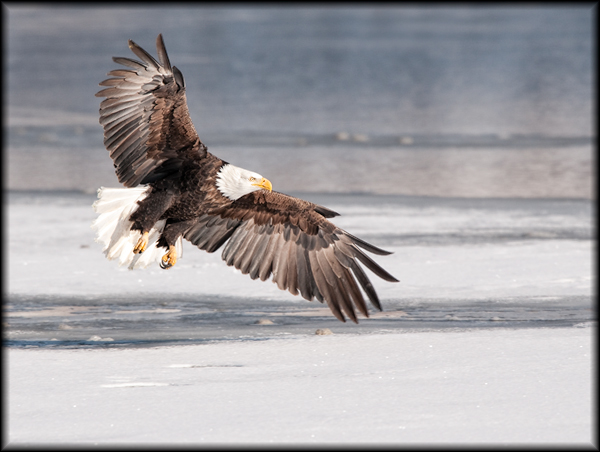
Gear Down

Image Details
Nikon D4
Nikon TC17EII
Nikon 400mm f/2.8 VR @ f/4.8, 1/1600, ISO 100

Monday, December 26, 2011

The Eyes Have It

"Look at me when I'm talking to you!"

If you are a guy of they XY chromosome persuasion, chances are you have had this type of exclamatory remark flung in your direction. Due to a vast conspiracy between extroverts and chick flick producers, eye contact became an important, non-verbal communication element at some point in history.

While information technology professionals have been fighting this alarming and intrusive trend for decades via non-violent, downward gazing - such efforts have done little to stop the insanity.

Looking into the eyes establishes a connection.  Similar body language is evident even in animals, where the direction of a stare or glance can have much deeper social meaning. 

In wildlife photography, creating a linkage between the viewer and the image is paramount.  Eyes are a critical component of the subject in this regard.  Aside from intentional, artistic abstractions - successful images must capture the eye in sharp focus and without motion blur.  This remains true regardless of distance and whether you are capturing a tight shot or broader environmental portrait.

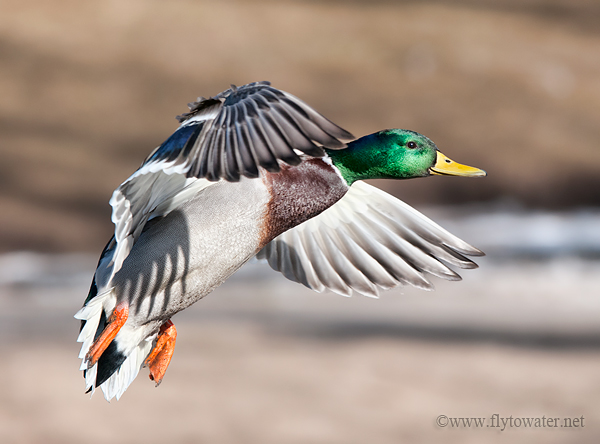
Mallard Drake Glide Path

It can be Hell's own fun tracking focus on the eye of a fast-moving bird while experiencing a fit of the galloping shivers.  It's a perishable skill that takes practice.  If you're looking to improve your technique, my suggestion is to find a location with a lot of mid-sized birds like seagulls which tend to congregate in groups and fly around in circular patterns.  Use the same gear you take into the field, and rehearse focusing on the eye.  You might get some odd looks bombing photos of gulls, but it's a small price to pay to avoid the opprobrium of eye blur when it counts.

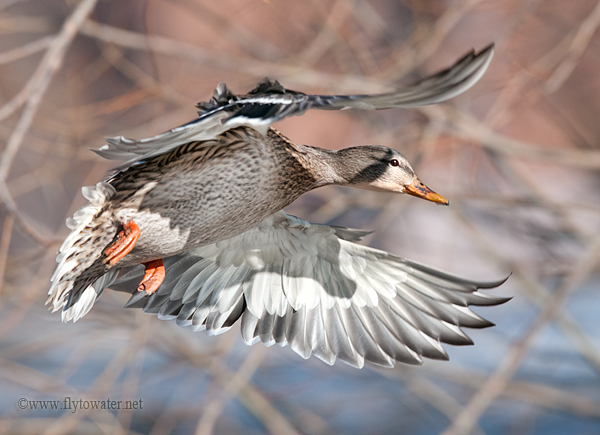
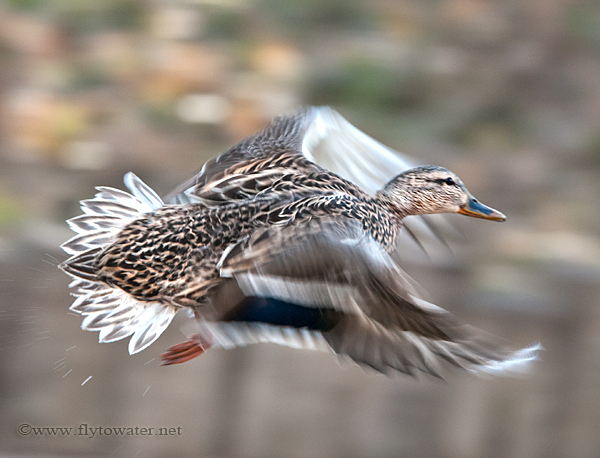
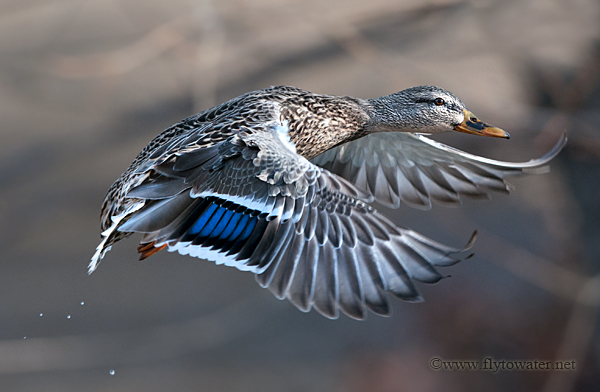
Mallard Hen on the Wing

Don't settle, like Kate Hudson did for Chris Robinson.  If your intent is not an abstraction of some kind - the eye simply needs to be sharp.  Make sure not to confuse missed focus with motion blur caused by a shutter speed which is too slow.  Waterfowl will usually have some wing blur at 1/1250, with action freezing well at 1/1600.  As a starting point select the camera's shutter priority mode on one of these two settings and adjust as conditions require.

Happy Holidays - and thanks for reading during 2011!  I wish everyone a fantastic New Year.

Nikon D300
Nikon 400mm f/2.8 VR - f/5.6, 1/1600 (8x Optical Magnification) - Hand Held
ISO 400
Distance to Subjects: 20 yards/60 Feet

Monday, February 14, 2011

Girls Girls Girls

Girls rock.

Hens Rock!

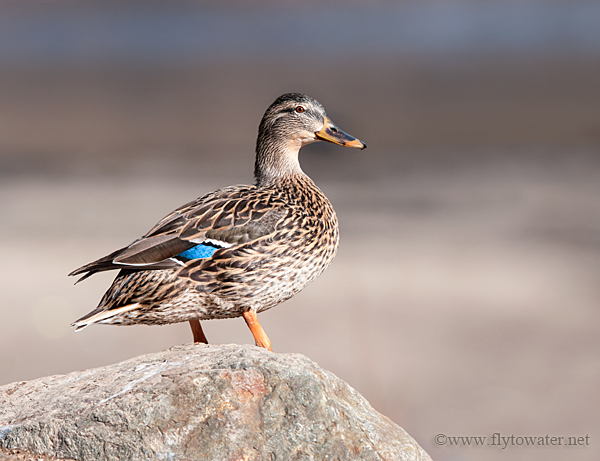
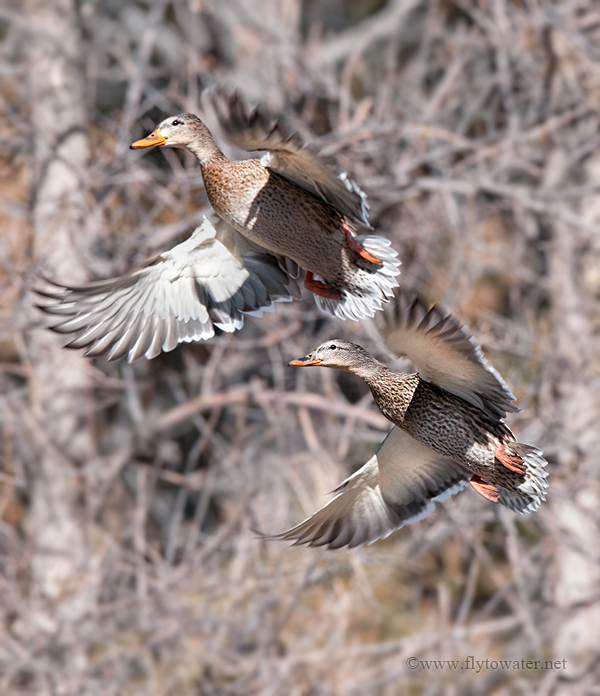
Females that is - or in this case hen mallards. In the world of waterfowl, it seems as though the males of the species seem to have been universally endowed with all the gaudy colors and ostentatious iridescence that nature can bestow.

I admit to harboring a penchant for the ladies, however. Smaller overall weight and less muscle mass makes for more fluid shapes, graceful lines, and light movements. Hens are where it's at. Who's with me?

Girls Light Out

Mallard Hen Wing Blur

Mallard Hen in Flight - Droplets

Wednesday, February 9, 2011

Soar Spot

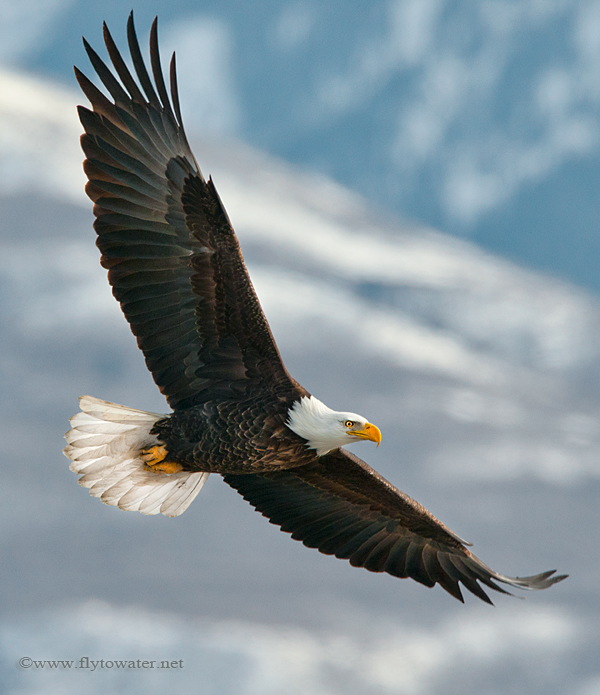
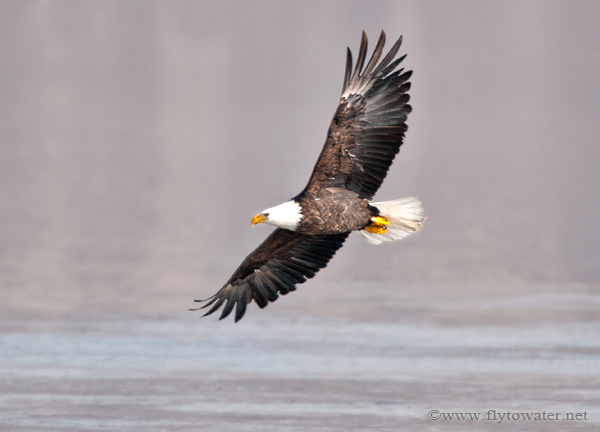
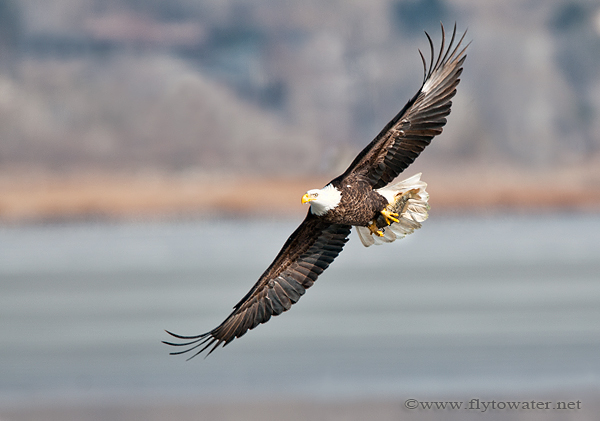
In large part I've been spending any and all spare daylight shivering uncontrollably in temperatures ranging from -20° F to a balmy 37°. Each year for a couple of weeks, a wave of migratory bald eagles passes through the wetlands surrounding the Great Salt Lake.

Inexplicably, even though I have repeatedly "learned my lesson," I continue to forsake my furnace and choose instead to lower my core body temperature to the threshold of hypothermia. Why? Several theories have been offered, but Mrs. FlytoWater's commentary on the subject is wildly inaccurate and notoriously lacking in substance. Like migratory instincts themselves, little is known about the motivations of fly fishermen or bird photographers. Collectively, we remain somewhat of a mystery.

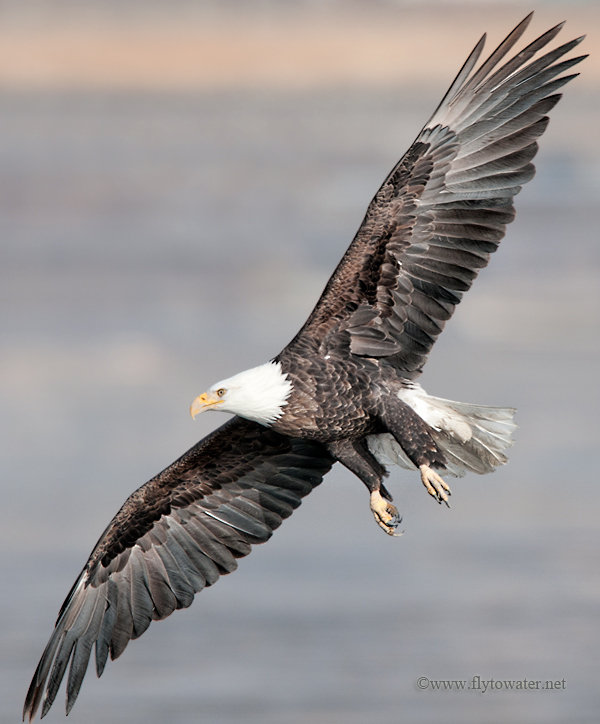
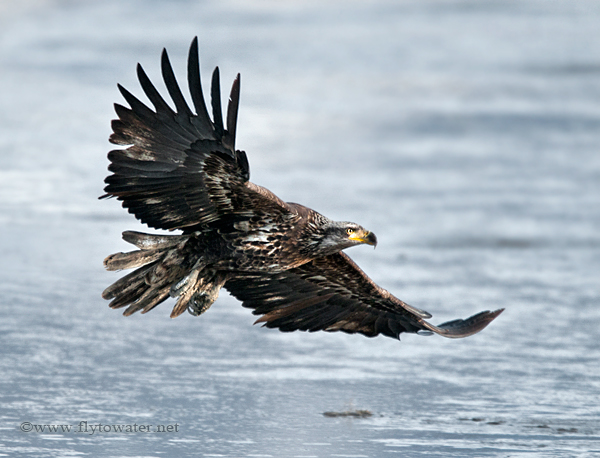
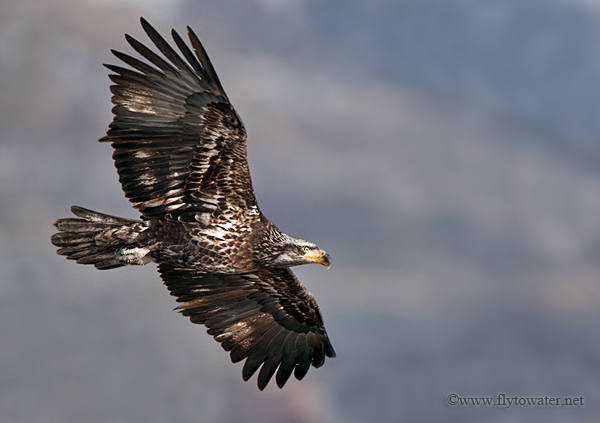
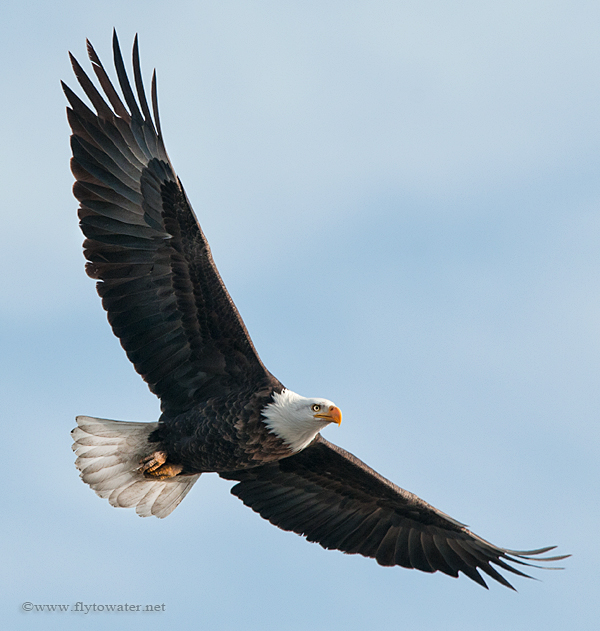
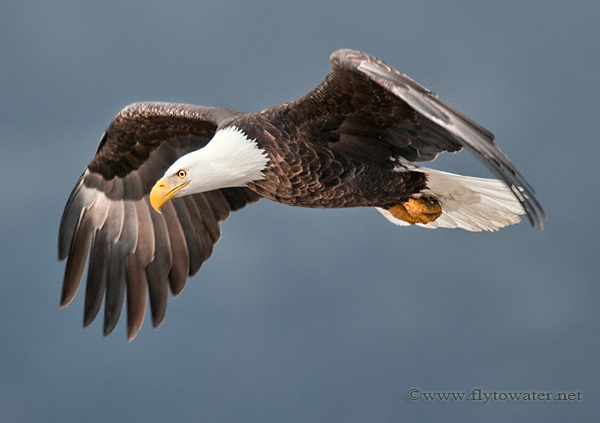
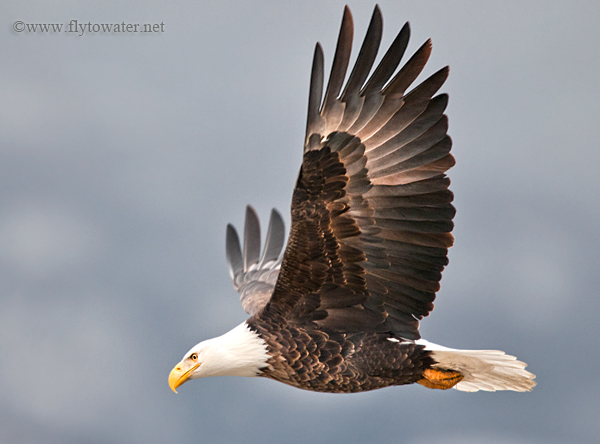
Prior to the intake of copious hot liquids, I will share a few images from the last couple of days. Eagles are fascinating raptors, commonly living into their late 20s (and occasionally as long as 30 years). Young eagles do not achieve their mature plumage until sometime in their 5th year. Juvenile baldies are commonly mistaken for golden eagles due to their mottled, brown plumage. The rare and fleeting close encounter with these majestic animals is always worth the many hours of waiting in the cold.

Diagonal

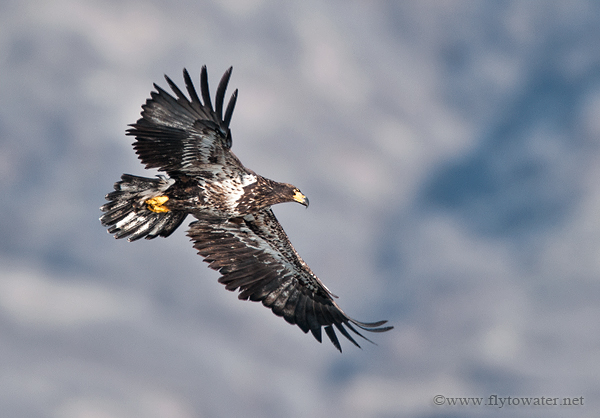
A juvenile bald eagle sporting the distinctive eye band "mask" they have in this age class:

Juvenile Swoop

Masked Juvenile

More mature plumage...

Soar Spot

Last Light Before the Storm

Bald Eagle Underwing

Eagle Mountain

Into The Light

Coming Fast

Looking Down

Banking On It

Sunday, January 23, 2011

Scouting

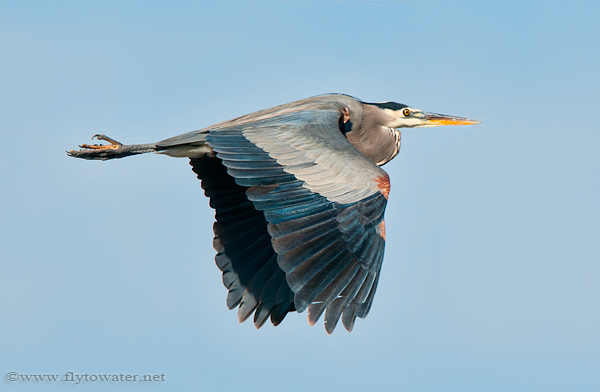
A few wisps of blue sky showed themselves occasionally this weekend, and I spent some time scouting locations for raptors. Aside from getting to watch a great blue heron spearing voles with amazing accuracy one evening after the light had faded, nothing noteworthy really took place.

Utah's Wasatch Front experiences a widespread temperature inversion during the winter. This phenomenon causes an enormous pollution cloud, even larger than the one emitted by Al Gore's personal residence, to hover over the valley.

Spending any time outdoors under these conditions is akin to huffing oxides of nitrogen directly from the exhaust pipe of a 1970 AMC Gremlin.

Occasionally a storm of sufficient strength blows through and sweeps the toxic atmosphere up into the jet stream, where it is often mistaken for Icelandic volcano ash and grounds all flights in France.
We experienced one such storm system late last week and had glorious, clean air for the weekend. It was nice just to be outside. I didn't get any images that I'd consider "keepers" but a few birds were in the air and I dusted off the shutter to get in the groove.

I'm hoping the next month or so brings some additional opportunities.

Bald Eagle Sight Fishing

Great Blue Heron in Flight

Bald Eagle with Carp Dinner

Immature Bald Eagle

Eagle Blue Sky

Sunday, January 24, 2010

Talon Scout

Birds are a photographer's night sweat-inducing nemesis. All species delight in flitting about at extreme distances, later appearing in pictures as black specs nearly concealed by the curvature of the Earth. The mere mention of the word "birds" also tends to cause the onset of an inscrutable smile for those retailing or manufacturing camera lenses the size of the Giant Magellan Telescope.

Eagles are somewhat of a rarity in the Salt Lake area. Like most places out West the occasional sighting is not entirely uncommon. Ordinarily, however, the chances of actually photographing them are on par with locating a Blue Footed Booby.

All this changes for a short 2-3 week period in the dead of winter, when large numbers of migratory bald eagles use the wetlands of the Wasatch Front as a layover. Apparently there are much more raptor-friendly locations farther to the North, offering something called "heavy beer" as an attractant.

I haven't seen the heaviest buildup yet, but a few birds have started to arrive. Here are a couple images from this weekend's scouting trip:

Carp Grip

Banking Hard

Flyby

Gear Down

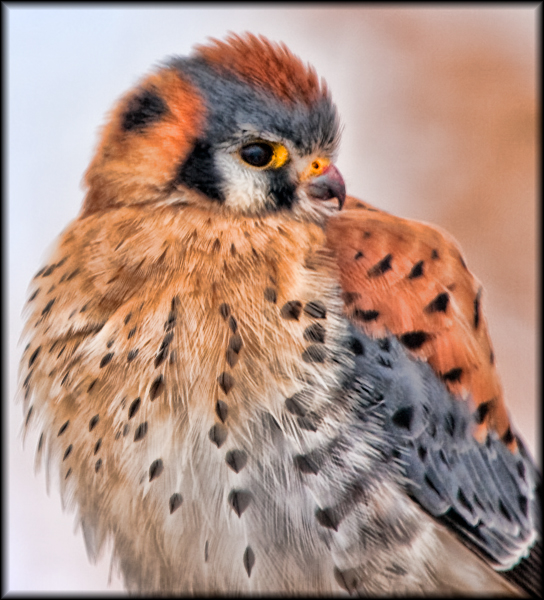
I also have a fondness for the kestrel, although their tiny size often makes them a photographer's bane. On Saturday this one was cooperative for a short period:

Kestrel Portrait

Keep your lap dogs inside the ride at all times folks, baldies love a nice Maltese chaser after a fish dinner.