Showing posts with label Mallard. Show all posts

Monday, December 26, 2011

The Eyes Have It

"Look at me when I'm talking to you!"

If you are a guy of they XY chromosome persuasion, chances are you have had this type of exclamatory remark flung in your direction. Due to a vast conspiracy between extroverts and chick flick producers, eye contact became an important, non-verbal communication element at some point in history.

While information technology professionals have been fighting this alarming and intrusive trend for decades via non-violent, downward gazing - such efforts have done little to stop the insanity.

Looking into the eyes establishes a connection.  Similar body language is evident even in animals, where the direction of a stare or glance can have much deeper social meaning. 

In wildlife photography, creating a linkage between the viewer and the image is paramount.  Eyes are a critical component of the subject in this regard.  Aside from intentional, artistic abstractions - successful images must capture the eye in sharp focus and without motion blur.  This remains true regardless of distance and whether you are capturing a tight shot or broader environmental portrait.
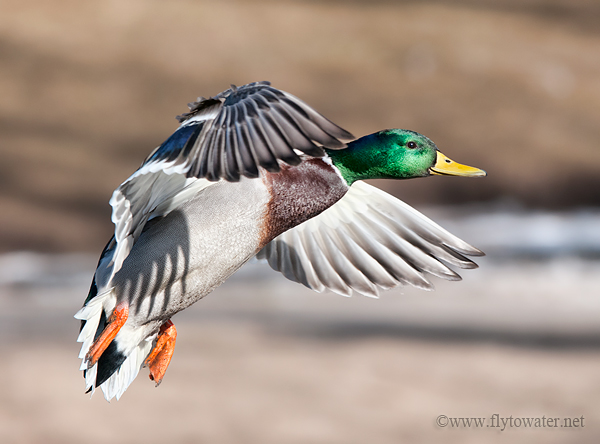
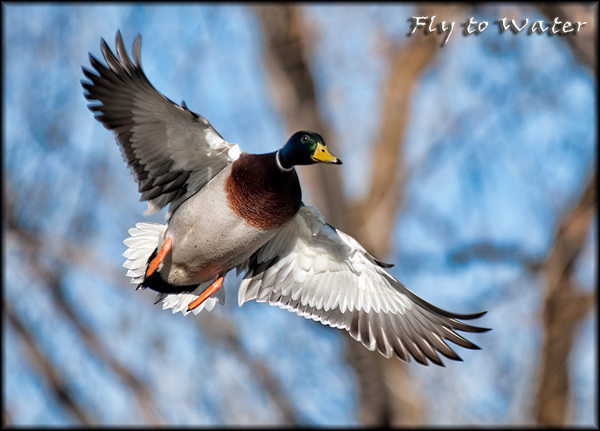
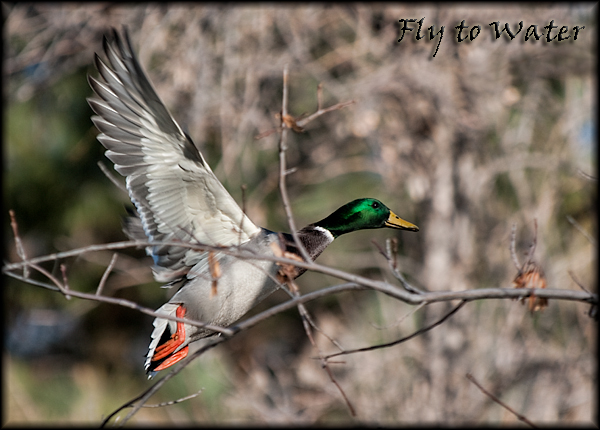
Mallard Drake Glide Path

It can be Hell's own fun tracking focus on the eye of a fast-moving bird while experiencing a fit of the galloping shivers.  It's a perishable skill that takes practice.  If you're looking to improve your technique, my suggestion is to find a location with a lot of mid-sized birds like seagulls which tend to congregate in groups and fly around in circular patterns.  Use the same gear you take into the field, and rehearse focusing on the eye.  You might get some odd looks bombing photos of gulls, but it's a small price to pay to avoid the opprobrium of eye blur when it counts.
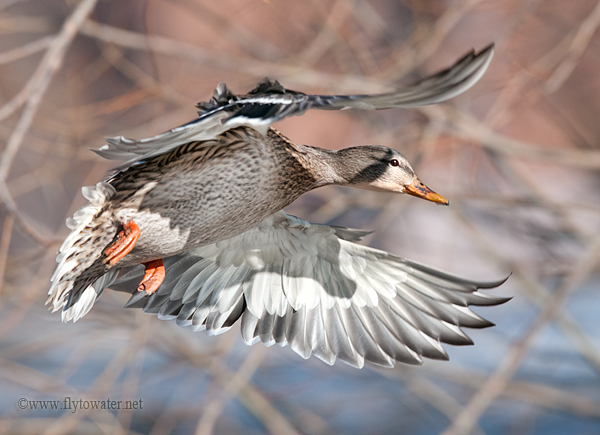
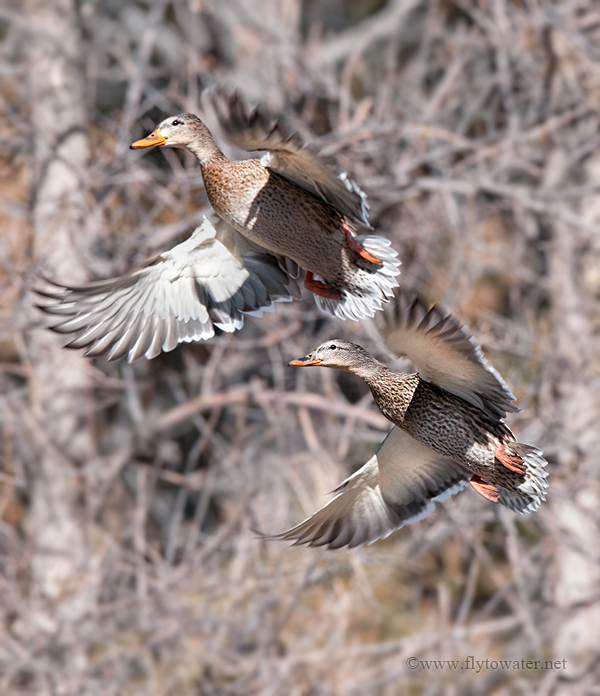
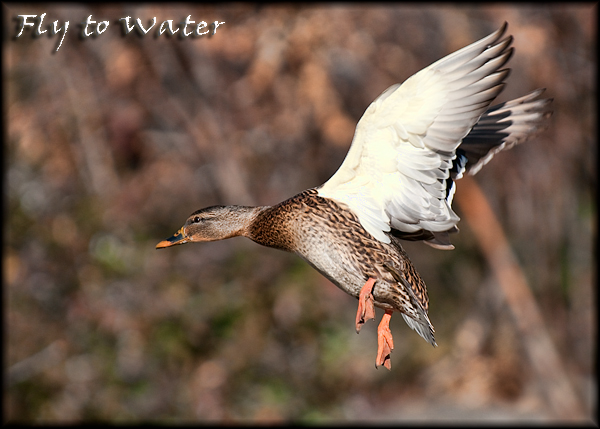
Mallard Hen on the Wing

Don't settle, like Kate Hudson did for Chris Robinson.  If your intent is not an abstraction of some kind - the eye simply needs to be sharp.  Make sure not to confuse missed focus with motion blur caused by a shutter speed which is too slow.  Waterfowl will usually have some wing blur at 1/1250, with action freezing well at 1/1600.  As a starting point select the camera's shutter priority mode on one of these two settings and adjust as conditions require.

Happy Holidays - and thanks for reading during 2011!  I wish everyone a fantastic New Year.

Nikon D300
Nikon 400mm f/2.8 VR - f/5.6, 1/1600 (8x Optical Magnification) - Hand Held
ISO 400
Distance to Subjects: 20 yards/60 Feet

Monday, November 28, 2011

Preening

Preen - transitive verb
  1. To dress or smooth oneself - to primp.
  2. To groom
  3. A tactic used by the female in a dating arrangement to grievously delay commencement of an evening's planned activities - to lag.
OK, so #3 isn't verbatim from the dictionary - but it falls within the bounds of literary license.

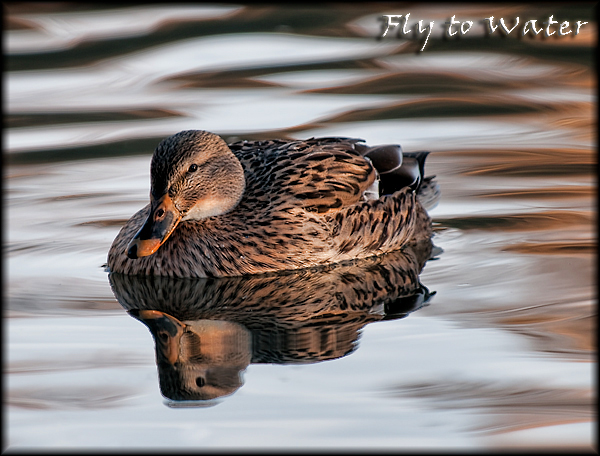
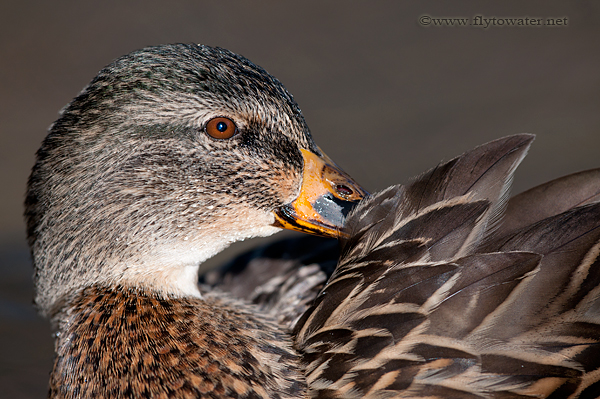
I couldn't help but notice in the process of capturing this image of a preening mallard hen that a rather impatient-looking drake was paddling back and forth a short distance away.  In the land of ducks, he was essentially in the formal entry checking his watch every 30 seconds because his reservations at the corn field clear across town were in 10 minutes.  Of course he had shown up half an hour earlier at the agreed upon time, but had failed to take into account that preening can only begin upon his arrival.  Few things, after all, are more deflating to a lady than a stale preen job.

Preening Hen

I was fortunate to have this hen swim very near to me during a window of wonderful light on Saturday.  The distance to her from the end of my camera lens was perhaps 6 feet.  Shooting at 8x optical magnification, what you see here filled the frame.

After she was all primped:

Hen Mallard

Monday, February 14, 2011

Girls Girls Girls

Girls rock.

Hens Rock!

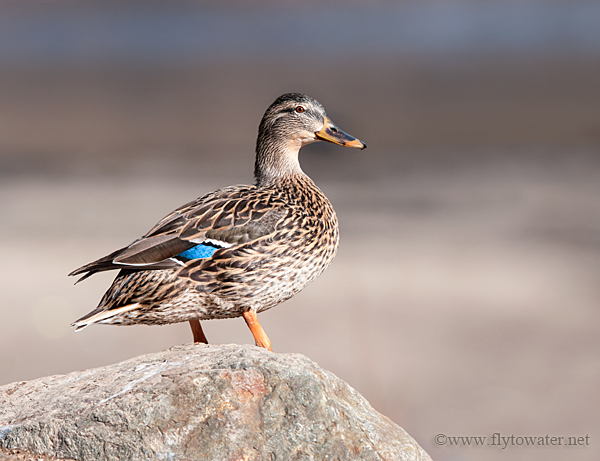
Females that is - or in this case hen mallards. In the world of waterfowl, it seems as though the males of the species seem to have been universally endowed with all the gaudy colors and ostentatious iridescence that nature can bestow.

I admit to harboring a penchant for the ladies, however. Smaller overall weight and less muscle mass makes for more fluid shapes, graceful lines, and light movements. Hens are where it's at. Who's with me?

Girls Light Out

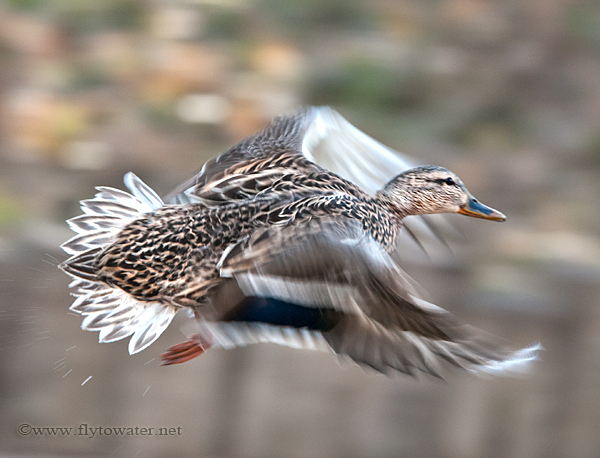
Mallard Hen Wing Blur

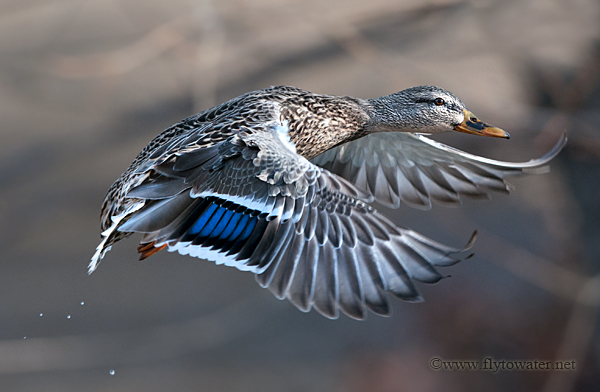
Mallard Hen in Flight - Droplets

Sunday, November 22, 2009

Wild Wings

If you've never tried to photograph waterfowl in flight it is likely that bliss, melodious laughter, and decadent high-living are far more common occurrences than facial spasms in daily life.

The objective this weekend was to capture a few airborne acrobatics. Execution is something of a symphony, requiring just-right lighting (not too much, not too little), planning, and a high degree of familiarity with your camera controls.

Even with all of the above, the likely result is still an Epic Fail. Still, once in a while, Ghostrider requests a fly-by.

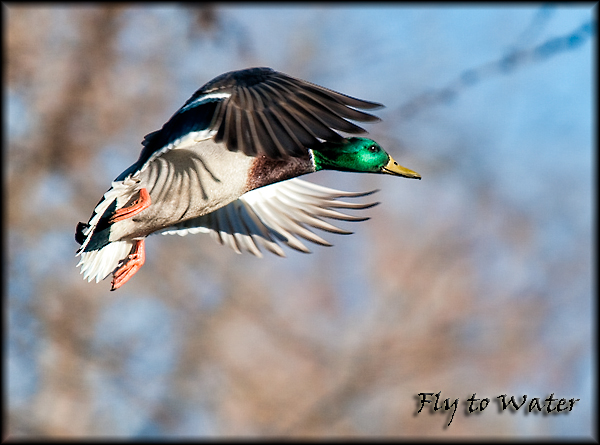
Drake Flare

Inbound

Hen Drop

Cupped

Wings Extended

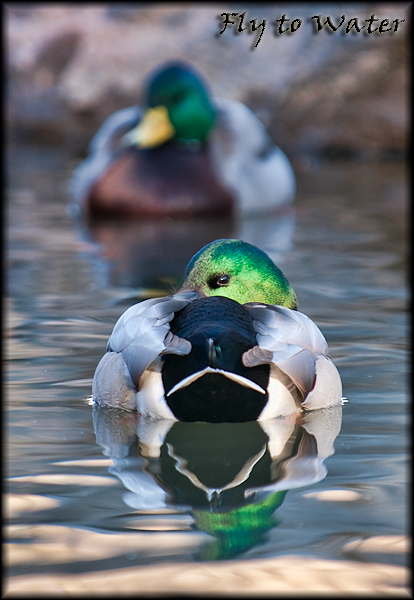
While keeping watch on the skies, don't forget to look down once in a while either. Marshes can produce outstanding reflections if you get low to the water and seek the right angles.

Hen Sunrise

Mirrored Drake

Suspicion

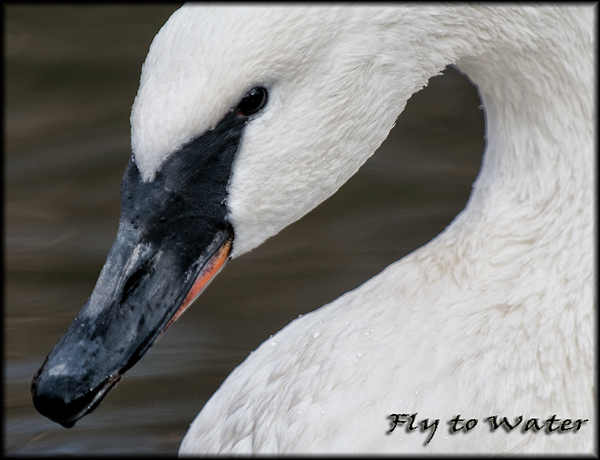
That's my swan song for the weekend. JayMorr rocked the D700 on the trip, so check his blog sometime soon for his newest uploads.

Swan Portrait

Tuesday, November 17, 2009

Fowl Intentions

If boredom ever sets in before dawn when temperatures hover around 15 degrees, I recommend finding a metal cylinder and clutching it with blue fingers to stave off the tedium.

Finding wild wood ducks in Utah is a little like looking for Manhattan-style chowder in Boston. This weekend I decided to scout a timber patch up North where I have seen a few previously, and asked JayMorr if he was interested in loss of feeling in his extremities.

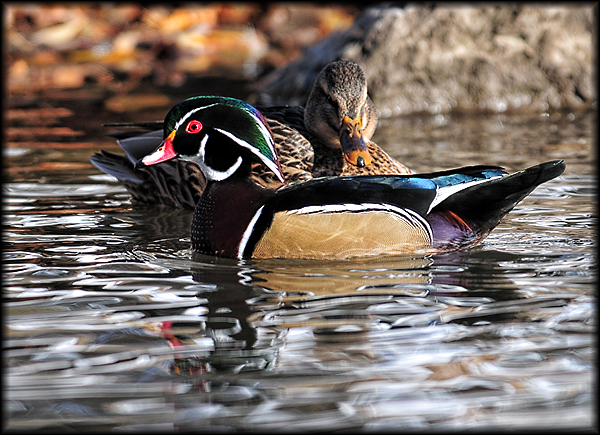
It took a lot of patience but a few opportunities presented themselves. We found mallards in great supply, and got lenses on a few drake woodies.

Drake Woodie Headon

Wrong Hen!

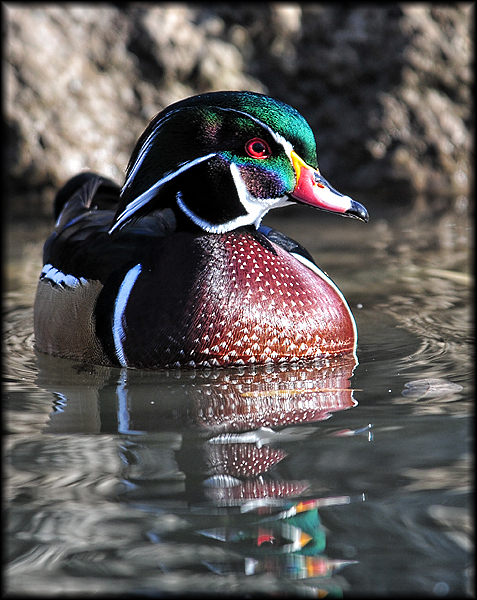
Drake Wood Duck

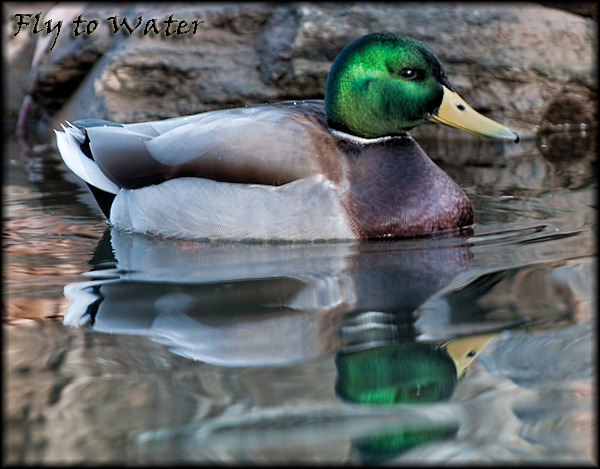
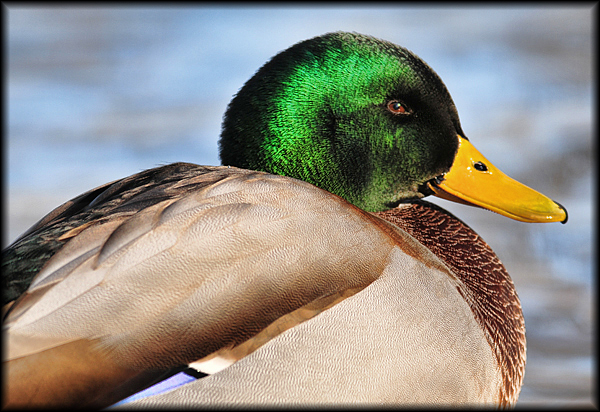
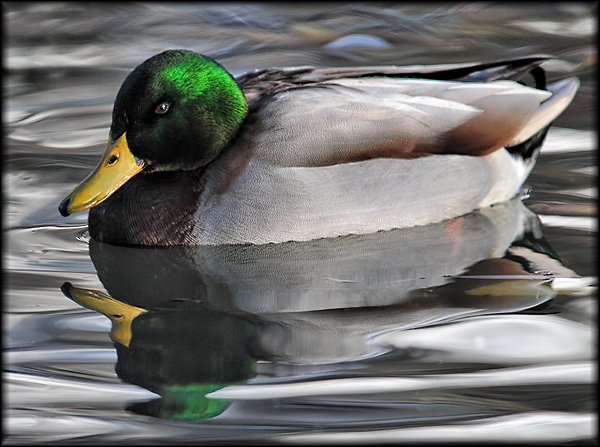
Mallards, while common, are beautiful birds when you get a close look.

Drake Profile

Peekin'

Troubled Waters

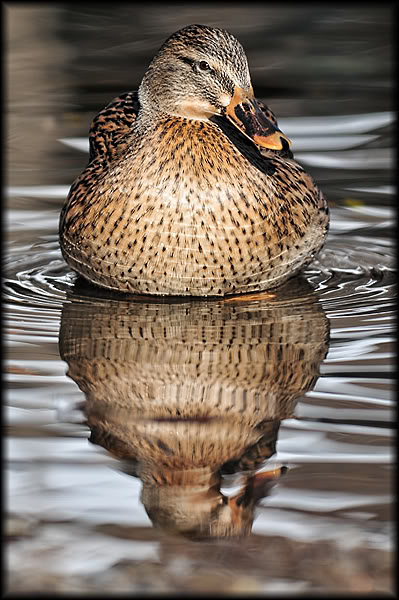
Conditions were right for some nice reflections. I thought the tones in this hen mallard's plumage made for great contrast:

Henflection

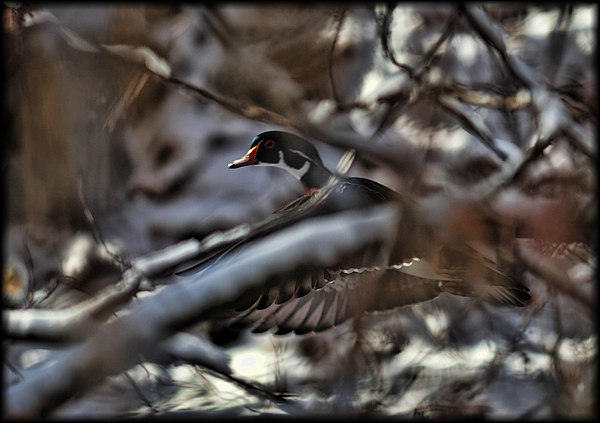
Check out Jay's Blog for more images, including some shots of a drake wood duck in flight.

Saturday, January 31, 2009

Morning Wood

Of all the waterfowl that can be found in Utah, the wood duck is perhaps the most sought after photographically. Nowhere near as common here as in the hardwood forests back East, it's always a lot of fun to find small populations of wild birds. The sun was out this morning, the air was clear, and I really enjoyed watching these beautiful birds.


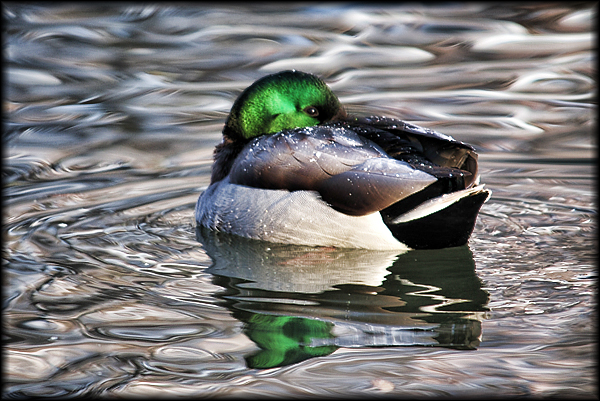
More common, but still intricately marked and highly detailed in their plumage is the mallard.


Where waterfowl are really at home, however, seems to be in the air. They are streamlined, powerful, high endurance birds in flight and it's always a challenge to capture them at speeds of over 50 miles per hour on the wing.

Thanks for dropping in!